The cost of a Whirlpool repair is shaped mainly by which part failed, how long the work takes and how easily the technician can reach the component safely. Because those facts are only known after diagnosis, treat any early figure as provisional and ask exactly what it covers.
Homeowners often ask for a single repair price before anyone has seen the appliance. A useful estimate depends on diagnosis: the failed part, how long the repair takes, and how easy it is to reach the component safely.
This guide explains the factors that commonly move a Whirlpool service estimate up or down. It is not a price list — ranges vary by model, region, and parts availability — but it helps you ask clearer questions before you approve work.
What usually drives the estimate
Labor time rises when panels must be removed carefully, when a sealed or gas system is involved, or when the fault is intermittent and needs verification. Parts cost depends on whether a common wear item failed or a higher-cost assembly such as a control board or sealed-system component.
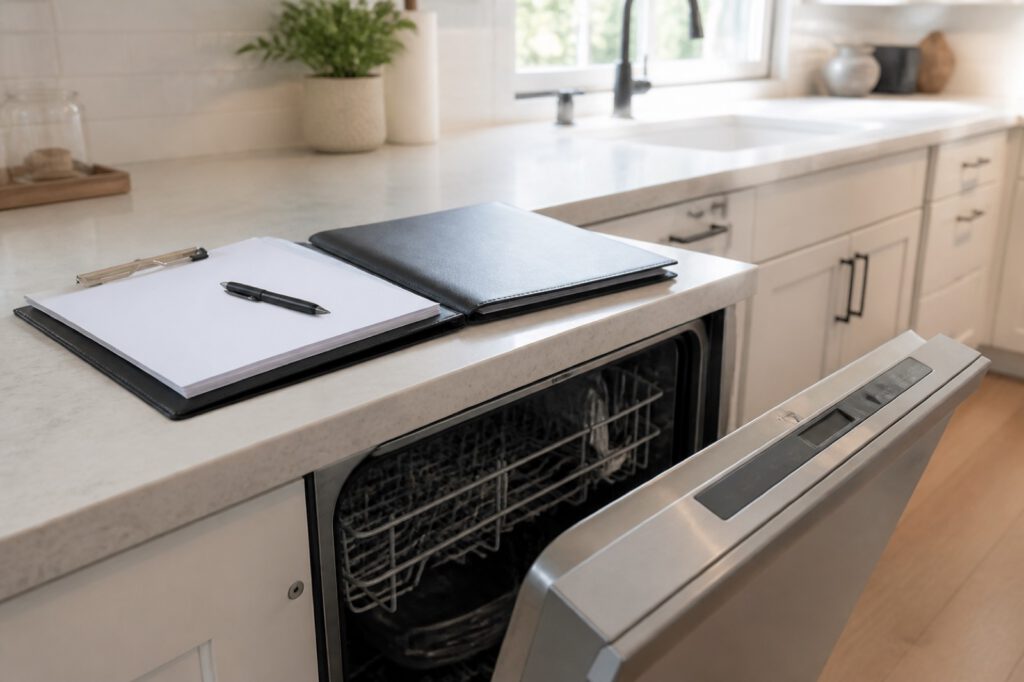
Access matters too: built-in refrigerators, slide-in ranges, and under-counter dishwashers can take longer to service than freestanding units with clear working space.
Why the same symptom can lead to different totals
Take a refrigerator that is not cooling or a dishwasher that will not drain. Each symptom has several possible sources, ranging from a simple condition to a failed component. Whirlpool’s own product help for dishwashers, for example, lists a clogged filter and a jammed drain pump among the possible causes of a drain problem, and those two sit at opposite ends of a repair scope. The symptom tells you where to look, not what the bill will be.
Intermittent faults add another layer. If the problem does not appear during the visit, verification can take longer, and that affects labor even when the eventual fix is small.
| Factor |
Why it matters |
What to share |
| Failed part |
Parts prices vary widely |
Model and symptom |
| Labor time |
Access and testing add hours |
Built-in or freestanding |
| Safety scope |
Gas and sealed systems need specialized work |
Any odor, leak, or code |
How to read a service estimate
Ask whether the figure is for diagnosis only, for a completed repair, or for a not-to-exceed total once the part is confirmed. Clarify return-trip policies if a part must be ordered after the first visit. If the estimate is for a range, ask what would move it toward either end.
A clear estimate names the suspected failure, the proposed repair, and what happens if testing points to a different part. That transparency is more useful than a vague low number that changes after the appliance is opened.
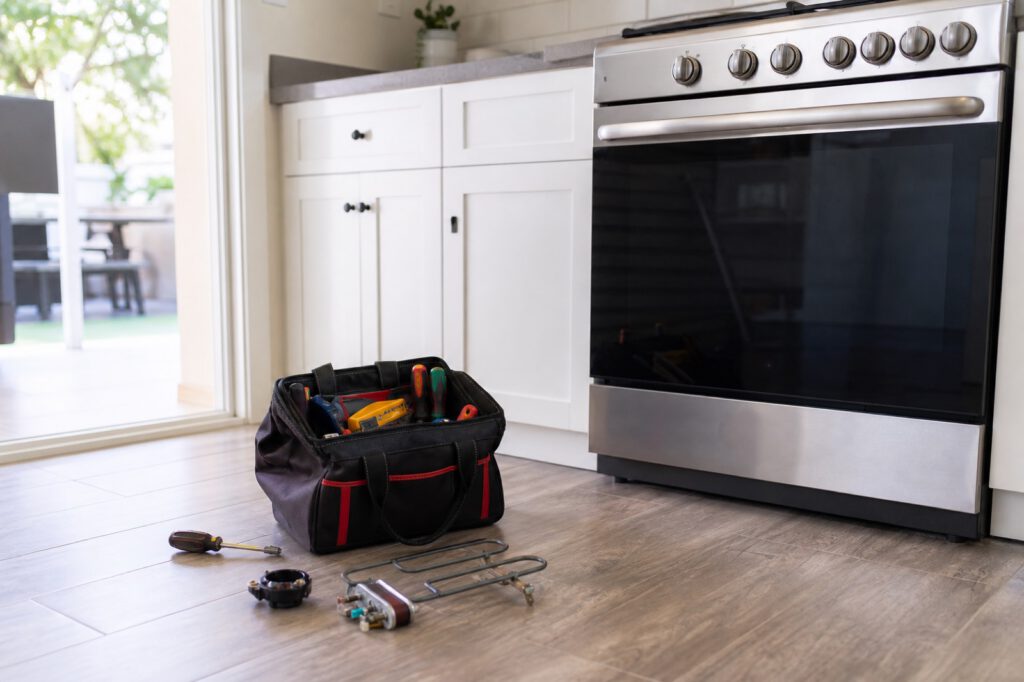
Sealed and gas systems deserve a specific mention. Work on them calls for specialized equipment and care, so the labor and the testing involved are different from a simple component swap. That is not a reason to assume a high figure, only a reason to expect that these repairs will be scoped more carefully than routine ones.
Parts availability is a further variable. A common wear item may be on hand, while a less common assembly may need to be ordered, which can turn one visit into two. Ask early so the timing is part of the plan rather than a surprise.
- Confirm what is included: diagnosis, labor, parts, and taxes or trip fees if any.
- Ask about warranty on the repair work and replaced parts.
- Keep the model number and purchase age handy when comparing options.
How your model and installation come into it
Model generation, control type and finish all influence which parts apply and how they are reached. A unit installed in cabinetry, under a counter or against a wall may need to be moved or partly uncovered before testing can begin, and that preparation is part of the work even though it is not a repair step.
Service access at home matters too. Clear space around the appliance, and a clean path to the water, gas or electrical connection, make the visit simpler and reduce the chance of extra steps appearing mid-job.
What does not belong in a cost comparison
Be cautious with generic online averages, a promised price for an unseen fault, or an offer to skip diagnosis. None of these reflect your appliance. A fair comparison puts like against like: the same scope of work, the same inclusions and the same assumptions about what happens if the first diagnosis changes.
Helpful habits
- Share model and symptom details
- Ask what the quote includes
- Approve work after diagnosis
Avoid these shortcuts
- Demand a guaranteed phone price for unknown faults
- Approve work without knowing the failed part
- Ignore gas or electrical safety warnings to save cost
When you compare more than one estimate, check that they describe the same job. One may cover diagnosis only and another a finished repair, and one may include items the other leaves out. Matching the scope first makes the difference between them meaningful instead of misleading.
Cost expectations improve when the technician can diagnose the appliance properly. Focus on the failed part, labor scope, and what the estimate includes — then decide with a complete picture rather than a guess. Ask the technician to explain any line of the estimate that you do not understand before you agree.
Common questions
Can I get an exact price before anyone looks at the appliance?
Not reliably. Without a diagnosis the failed part is unknown, so any exact figure rests on a guess about the fault.
Does a safety issue change how cost is handled?
Safety comes first. If there is a gas odor, burning smell or electrical warning sign, stop using the appliance and arrange assessment before thinking about the estimate.
What information helps the estimate stay accurate?
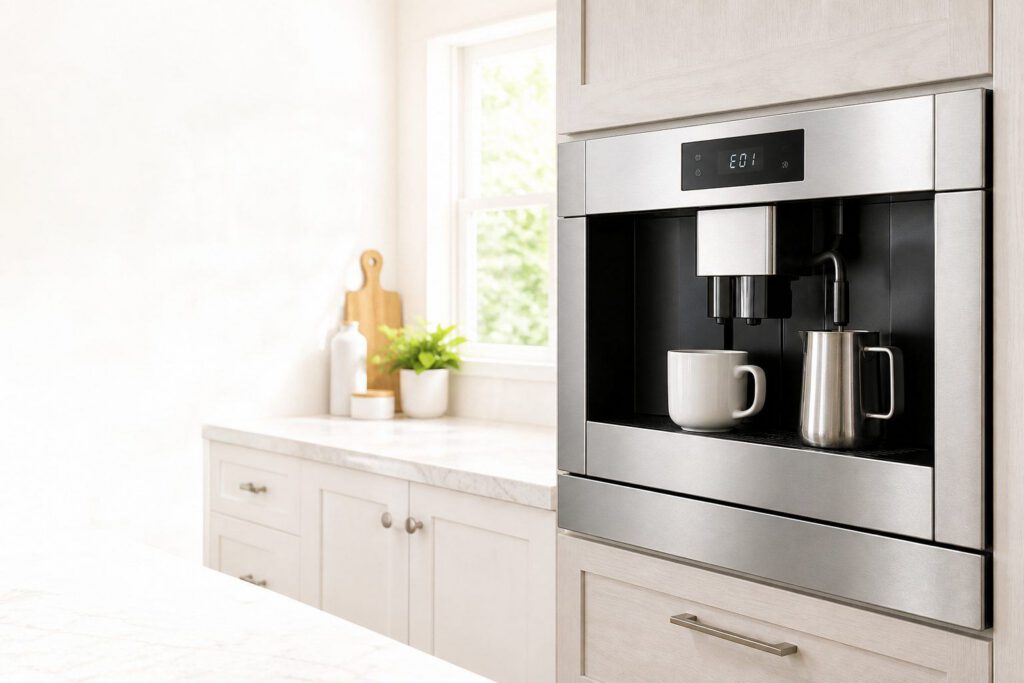
The model and serial details, a clear description of the symptom, any displayed code and whether the unit is built in or freestanding. Those details let the technician plan the right tests and parts.